Snow Shoveling Safety: Protect Your Heart and Back This Winter
- posted: Feb. 18, 2025
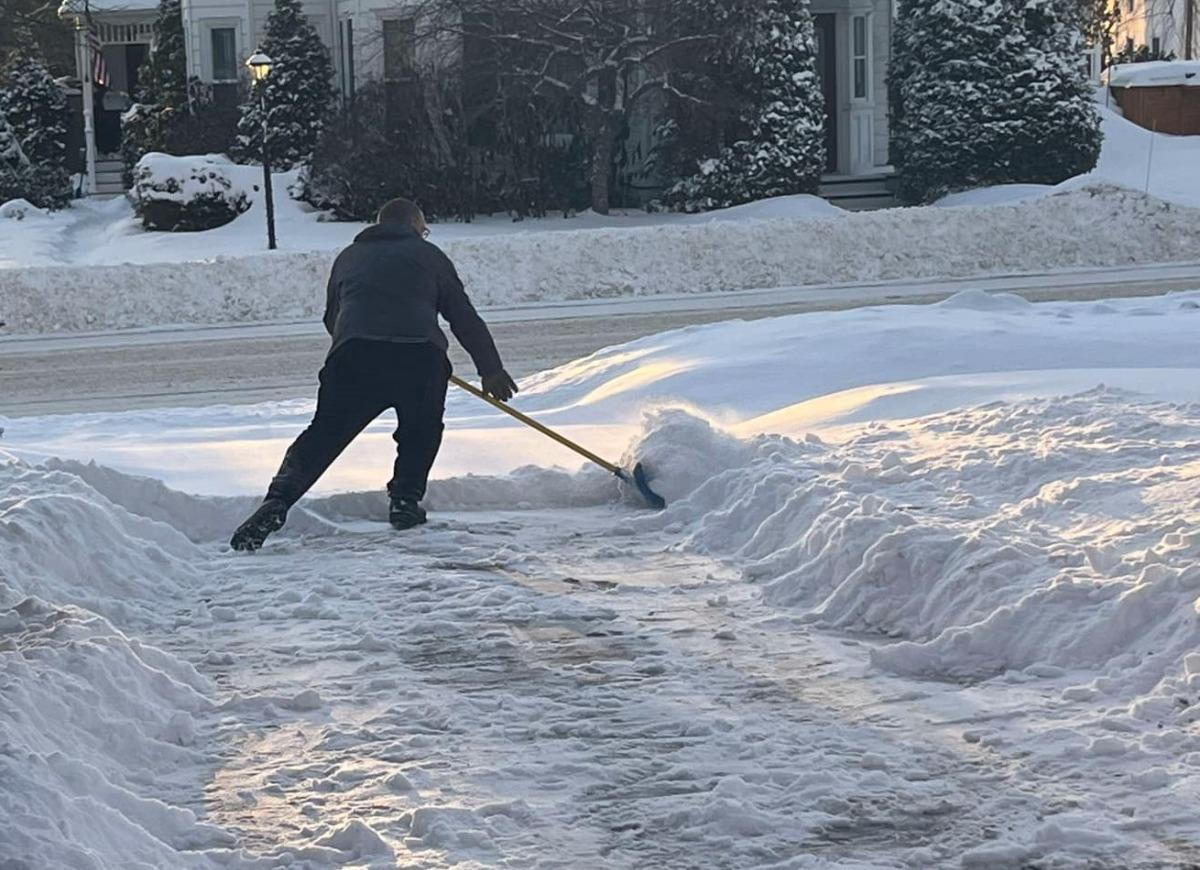
Winter snowfalls often lead to the demanding task of snow shoveling. While it provides necessary access to our homes and roads, it's important to recognize the potential health risks associated with this activity, particularly concerning heart health and back safety.
Understanding the Risks
Shoveling snow is a strenuous activity that combines cold exposure with physical exertion. This combination can pose significant risks:
Heart Health Concerns: The American Heart Association warns that the exertion from shoveling snow, especially in cold temperatures, can increase the risk of heart attack or sudden cardiac arrest. Cold weather causes blood vessels to constrict, raising blood pressure and heart rate, which can be dangerous during intense physical activities like snow shoveling.
Back Injuries: Improper shoveling techniques can lead to back strains and injuries. Bending at the waist and lifting heavy loads of snow can put undue stress on the lower back.
Preventative Measures for Safe Snow Shoveling
To minimize the risks associated with snow shoveling, consider the following guidelines:
Warm-Up Before Shoveling: Prepare your body by engaging in light exercises or stretching to increase blood flow to your muscles.
Use Proper Shoveling Techniques:
Lift with Your Legs: Bend at your knees and keep your back straight, using your leg muscles to lift the snow. citeturn0search3
Avoid Twisting Movements: Turn your entire body to move snow to the side rather than twisting your back.
Push Rather Than Lift: Push the snow aside whenever possible instead of lifting it.
Choose the Right Equipment: An ergonomic snow shovel with a curved handle can reduce back strain and make shoveling more efficient.
Dress Appropriately: Wear layered, water-resistant clothing to maintain body warmth. Cover your head, hands, and feet adequately to prevent hypothermia.
Stay Hydrated and Take Breaks: Drink plenty of water and rest frequently to avoid overexertion.
Be Mindful of Heart Attack Symptoms: If you experience chest discomfort, shortness of breath, or other signs of a heart attack, stop shoveling immediately and seek medical attention.
When to Seek Professional Help
Individuals with existing heart conditions or those who lead a sedentary lifestyle should consult a healthcare provider before snow shoveling. In some cases, hiring a professional snow removal service may be the safest option.
Adopting proper techniques and precautions can reduce the health risks associated with snow shoveling, ensuring a safer winter season. If you have heart or back health concerns, consider contacting a healthcare professional for personalized advice. Stay safe, everyone!
- posted: Feb. 18, 2025
Winter snowfalls often lead to the demanding task of snow shoveling. While it provides necessary access to our homes and roads, it's important to recognize the potential health risks associated with this activity, particularly concerning heart health and back safety.
Understanding the Risks
Shoveling snow is a strenuous activity that combines cold exposure with physical exertion. This combination can pose significant risks:
Heart Health Concerns: The American Heart Association warns that the exertion from shoveling snow, especially in cold temperatures, can increase the risk of heart attack or sudden cardiac arrest. Cold weather causes blood vessels to constrict, raising blood pressure and heart rate, which can be dangerous during intense physical activities like snow shoveling.
Back Injuries: Improper shoveling techniques can lead to back strains and injuries. Bending at the waist and lifting heavy loads of snow can put undue stress on the lower back.
Preventative Measures for Safe Snow Shoveling
To minimize the risks associated with snow shoveling, consider the following guidelines:
Warm-Up Before Shoveling: Prepare your body by engaging in light exercises or stretching to increase blood flow to your muscles.
Use Proper Shoveling Techniques:
Lift with Your Legs: Bend at your knees and keep your back straight, using your leg muscles to lift the snow. citeturn0search3
Avoid Twisting Movements: Turn your entire body to move snow to the side rather than twisting your back.
Push Rather Than Lift: Push the snow aside whenever possible instead of lifting it.
Choose the Right Equipment: An ergonomic snow shovel with a curved handle can reduce back strain and make shoveling more efficient.
Dress Appropriately: Wear layered, water-resistant clothing to maintain body warmth. Cover your head, hands, and feet adequately to prevent hypothermia.
Stay Hydrated and Take Breaks: Drink plenty of water and rest frequently to avoid overexertion.
Be Mindful of Heart Attack Symptoms: If you experience chest discomfort, shortness of breath, or other signs of a heart attack, stop shoveling immediately and seek medical attention.
When to Seek Professional Help
Individuals with existing heart conditions or those who lead a sedentary lifestyle should consult a healthcare provider before snow shoveling. In some cases, hiring a professional snow removal service may be the safest option.
Adopting proper techniques and precautions can reduce the health risks associated with snow shoveling, ensuring a safer winter season. If you have heart or back health concerns, consider contacting a healthcare professional for personalized advice. Stay safe, everyone!
Location
1017 School St.,
Veazie, ME 04401
Monday
8:00 am - 5:00 pm
Tuesday
8:00 am - 5:00 pm
Wednesday
8:00 am - 5:00 pm
Thursday
8:00 am - 5:00 pm
Friday
8:00 am - 5:00 pm
Saturday
Closed
Sunday
Closed
Request an Appointment
We will reach out to confirm a time ASAP

