The Hybrid Work Spine: Adjusting to New Routines
- posted: Feb. 25, 2025
In the wake of the pandemic, hybrid work has settled in as the new normal for many of us. It’s a setup that promises flexibility—splitting time between the office and home—but it’s not without its quirks. One sneaky downside? The toll it takes on our spinal health. From hunching over laptops on the couch to juggling mismatched workspaces, our spines are feeling the strain of these new routines. So, let’s unpack what hybrid work means for your back and how to keep it happy, with a little help from research and some practical know-how.
How Hybrid Work Messes with Your Spine
Hybrid work sounds dreamy—some days in the office, some days at home—but it can throw your spine a curveball. Here’s the rundown on why this mix-and-match approach might leave your back grumbling:
Inconsistent Ergonomics: Picture this: one day you’re perched in an office chair designed for posture perfection, the next you’re slouched at your kitchen table. That flip-flopping between setups can throw your spine out of whack. Studies have shown that prolonged sitting, especially in non-ergonomic conditions, can lead to increased stress on the back, neck, arms, and legs, contributing to discomfort and potential spinal issues. No surprise there—your dining chair wasn’t built for eight-hour shifts.
Too Much Sitting: Whether you’re parked at a desk or sprawled on the sofa, hybrid work often means long stretches of sitting. Extended periods of sitting can place unnecessary stress on the lumbar spine, leading to discomfort and potential chronic pain. It’s like your spine’s begging for a timeout, but the Zoom calls keep coming.
Less Movement, More Stiffness: Remember those days of dashing to meetings or commuting? Hybrid work can cut down on that natural movement, leaving you more sedentary than ever. Reduced physical activity and prolonged poor posture are potential risk factors for lumbar spine injuries. Your spine stiffens up, and those supportive muscles start slacking off.
The takeaway? Hybrid work might free up your schedule, but it’s not always kind to your back.
Five Ways to Keep Your Spine in Check
No need to let hybrid work turn your spine into a pretzel. Here are some down-to-earth tips to stay ahead of the curve, whether you’re at home or the office:
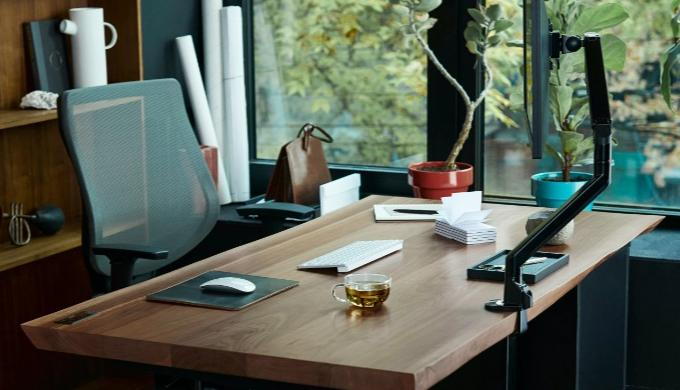
Set Up an Ergonomic Haven: At home, mimic the office vibe—grab a chair with decent lumbar support and tweak your desk so your screen’s at eye level. No more neck craning or slumping. Proper ergonomic setups can significantly reduce stress on the spine and prevent discomfort. It’s a small investment for a big spinal win.
Break It Up: Sitting for hours is the enemy. Set a timer—every 30 minutes, stand up, stretch, or take a quick lap around the room. Regular movement helps alleviate back discomfort associated with prolonged sitting. It’s like hitting the reset button for your spine and keeps stiffness at bay.
Stand Tall (Literally): If you can, snag a standing desk or rig up an adjustable setup. Switching between sitting and standing cuts the strain on your lower back and keeps your blood flowing. Think of it as upgrading your workspace OS—better ergonomics, smoother performance, and fewer crashes (aka aches).
Posture Patrol: Whether you’re at a desk or sneaking work from the couch, keep tabs on your posture. Back straight, shoulders chill, feet flat—think of it as giving your spine some VIP treatment, wherever you are. Just don't think you don't also need to sit like a pretzel every once in a while!
Strengthen the Core Crew: Toss in some spine-friendly exercises a few times a week—planks, bridges, or a yoga flow. These moves beef up the muscles holding your spine steady, so it’s ready for whatever hybrid work throws at it.
Questions You’re Probably Asking - The TL;DR
How does hybrid work affect spinal health? It’s all about inconsistent setups, too much sitting, and not enough movement—your spine feels the chaos.
What’s the best ergonomic setup for a home office? Think lumbar support, eye-level screens, and a desk that fits you just right.
How can I stop back pain while working from home? Breaks, posture checks, and a solid workspace are your go-tos.
What exercises boost spinal health in a hybrid gig? Try planks or yoga—anything that strengthens those spine-supporting muscles.
Your spine’s not just along for the ride—it’s the unsung hero of your workday. When it’s cranky, your focus tanks, and that mid-afternoon slump hits harder. Think of it like a trusty old guitar: keep it tuned, and the music flows; let it slip, and you’re stuck with sour notes. Hybrid work might shake up the rhythm, but with a few tweaks, you can keep your spine humming along.
Take Charge of Your Back
Hybrid work isn’t going anywhere, but neither should your spinal health. Little changes—like carving out an ergonomic nook, stepping away from the screen, or throwing in some stretches—can make a world of difference. Don’t wait for the ache to settle in. Start today, and your spine will thank you, whether you’re logging in from the office or the living room. Want to dial it up a notch? Book a quick check-in with us to fine-tune your spinal movement—because a back in sync means a workday that flows smoothly.
- posted: Feb. 25, 2025
In the wake of the pandemic, hybrid work has settled in as the new normal for many of us. It’s a setup that promises flexibility—splitting time between the office and home—but it’s not without its quirks. One sneaky downside? The toll it takes on our spinal health. From hunching over laptops on the couch to juggling mismatched workspaces, our spines are feeling the strain of these new routines. So, let’s unpack what hybrid work means for your back and how to keep it happy, with a little help from research and some practical know-how.
How Hybrid Work Messes with Your Spine
Hybrid work sounds dreamy—some days in the office, some days at home—but it can throw your spine a curveball. Here’s the rundown on why this mix-and-match approach might leave your back grumbling:
Inconsistent Ergonomics: Picture this: one day you’re perched in an office chair designed for posture perfection, the next you’re slouched at your kitchen table. That flip-flopping between setups can throw your spine out of whack. Studies have shown that prolonged sitting, especially in non-ergonomic conditions, can lead to increased stress on the back, neck, arms, and legs, contributing to discomfort and potential spinal issues. No surprise there—your dining chair wasn’t built for eight-hour shifts.
Too Much Sitting: Whether you’re parked at a desk or sprawled on the sofa, hybrid work often means long stretches of sitting. Extended periods of sitting can place unnecessary stress on the lumbar spine, leading to discomfort and potential chronic pain. It’s like your spine’s begging for a timeout, but the Zoom calls keep coming.
Less Movement, More Stiffness: Remember those days of dashing to meetings or commuting? Hybrid work can cut down on that natural movement, leaving you more sedentary than ever. Reduced physical activity and prolonged poor posture are potential risk factors for lumbar spine injuries. Your spine stiffens up, and those supportive muscles start slacking off.
The takeaway? Hybrid work might free up your schedule, but it’s not always kind to your back.
Five Ways to Keep Your Spine in Check
No need to let hybrid work turn your spine into a pretzel. Here are some down-to-earth tips to stay ahead of the curve, whether you’re at home or the office:
Set Up an Ergonomic Haven: At home, mimic the office vibe—grab a chair with decent lumbar support and tweak your desk so your screen’s at eye level. No more neck craning or slumping. Proper ergonomic setups can significantly reduce stress on the spine and prevent discomfort. It’s a small investment for a big spinal win.
Break It Up: Sitting for hours is the enemy. Set a timer—every 30 minutes, stand up, stretch, or take a quick lap around the room. Regular movement helps alleviate back discomfort associated with prolonged sitting. It’s like hitting the reset button for your spine and keeps stiffness at bay.
Stand Tall (Literally): If you can, snag a standing desk or rig up an adjustable setup. Switching between sitting and standing cuts the strain on your lower back and keeps your blood flowing. Think of it as upgrading your workspace OS—better ergonomics, smoother performance, and fewer crashes (aka aches).
Posture Patrol: Whether you’re at a desk or sneaking work from the couch, keep tabs on your posture. Back straight, shoulders chill, feet flat—think of it as giving your spine some VIP treatment, wherever you are. Just don't think you don't also need to sit like a pretzel every once in a while!
Strengthen the Core Crew: Toss in some spine-friendly exercises a few times a week—planks, bridges, or a yoga flow. These moves beef up the muscles holding your spine steady, so it’s ready for whatever hybrid work throws at it.
Questions You’re Probably Asking - The TL;DR
How does hybrid work affect spinal health? It’s all about inconsistent setups, too much sitting, and not enough movement—your spine feels the chaos.
What’s the best ergonomic setup for a home office? Think lumbar support, eye-level screens, and a desk that fits you just right.
How can I stop back pain while working from home? Breaks, posture checks, and a solid workspace are your go-tos.
What exercises boost spinal health in a hybrid gig? Try planks or yoga—anything that strengthens those spine-supporting muscles.
Your spine’s not just along for the ride—it’s the unsung hero of your workday. When it’s cranky, your focus tanks, and that mid-afternoon slump hits harder. Think of it like a trusty old guitar: keep it tuned, and the music flows; let it slip, and you’re stuck with sour notes. Hybrid work might shake up the rhythm, but with a few tweaks, you can keep your spine humming along.
Take Charge of Your Back
Hybrid work isn’t going anywhere, but neither should your spinal health. Little changes—like carving out an ergonomic nook, stepping away from the screen, or throwing in some stretches—can make a world of difference. Don’t wait for the ache to settle in. Start today, and your spine will thank you, whether you’re logging in from the office or the living room. Want to dial it up a notch? Book a quick check-in with us to fine-tune your spinal movement—because a back in sync means a workday that flows smoothly.
Location
1017 School St.,
Veazie, ME 04401
Monday
8:00 am - 5:00 pm
Tuesday
8:00 am - 5:00 pm
Wednesday
8:00 am - 5:00 pm
Thursday
8:00 am - 5:00 pm
Friday
8:00 am - 5:00 pm
Saturday
Closed
Sunday
Closed
Request an Appointment
We will reach out to confirm a time ASAP

